Retro Groove: Your Font for Bold, Nostalgic Design
When a design needs to make an immediate statement, the choice of typography becomes your most powerful tool. You're not just selecting letters; you're choosing a voice, a mood, and an entire visual world. For projects that demand energy, personality, and a touch of nostalgic flair, a standard sans serif font often falls flat. This is where a distinctive display font like Retro Groove enters the conversation. It’s a typeface that doesn’t just sit on the page—it performs.
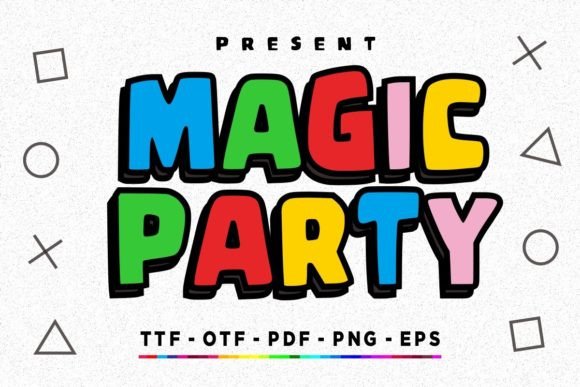
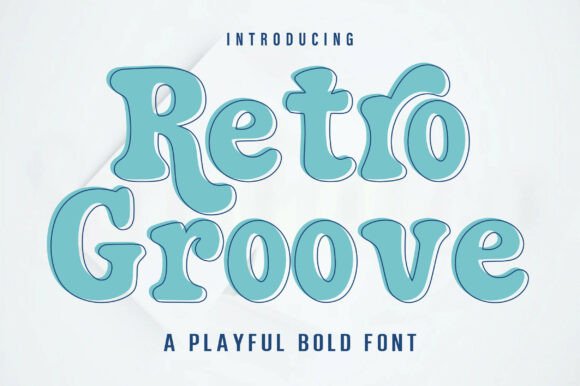
At its core, Retro Groove is a premium font designed to capture the vibrant spirit of vintage design, filtered through a contemporary lens. Imagine the bold lettering on a 1970s concert poster or the playful typography of a mid-century advertisement, but refined with modern precision. Its visual character is defined by smooth, flowing curves and thick, confident strokes. The rounded letterforms give it an approachable, friendly feel, while the overall composition maintains a strong visual weight that commands attention. Subtle shadow effects and a soft color palette are often part of its signature style, adding a layer of depth and dimension that makes the text feel almost tangible.
Where Retro Groove Truly Shines
Understanding a font's strengths is key to using it effectively. Retro Groove isn't a workhorse for body copy; it’s a specialized instrument for headlines and branding moments. Its personality is best unleashed in contexts where impact is the primary goal. Think of logo design for a boutique coffee roaster, a vintage clothing label, or a creative agency. The font's inherent charm can build an entire brand identity around a sense of fun, authenticity, and style.
Beyond logos, consider its application in packaging design. A product on a crowded shelf needs to tell its story in a glance. Using Retro Groove for the product name or a key slogan can instantly communicate a brand that values creativity and a retro aesthetic. It works exceptionally well for artisanal foods, craft beverages, or cosmetics aiming for a nostalgic yet modern feel. In editorial design, it can transform a magazine cover or a chapter title, setting a dynamic tone that draws readers in. For social media graphics, it’s a secret weapon for creating scroll-stopping posts, event announcements, or promotional banners that need to stand out in a fast-moving feed.
Making It Work: Practical Font Guidance
Choosing a creative font is only the first step. The real skill lies in implementation. First, evaluate the project's fit. Is the tone playful, energetic, and bold? If the project requires quiet sophistication or serious corporate neutrality, Retro Groove might clash. But for anything celebrating fun, nostalgia, or artistic expression, it’s a strong candidate.
Next, consider font pairing. A display typeface like this needs a counterpart for longer text. Pair it with a clean, highly readable serif font for a classic contrast, or a simple geometric sans serif font for a more modern, balanced look. The goal is to let Retro Groove handle the visual fireworks in the headlines while the supporting font manages the information with clarity. Always test pairings in context—see how they interact in a mockup of your poster, webpage, or business card.
When you acquire this commercial font, review all the included styles and glyphs. Many quality design assets come with alternates, ligatures, or stylistic sets that offer even more customization. Experiment with these to fine-tune the personality. Finally, always check the licensing. Ensure the license covers your intended use, whether for a small business's merchandise, a client's website (web design), or a full-scale advertising campaign. Readability, even for a display font, is still crucial—test it at the sizes you'll actually use to ensure the decorative elements don't hinder comprehension.
In the end, Retro Groove is more than just a collection of glyphs. It's a vibe. It’s the typographic equivalent of a perfectly curated vintage record collection—full of character, warmth, and an infectious energy that can elevate a good design into a memorable one. By applying it thoughtfully, you harness its power to create connections, evoke emotions, and build brands that resonate.